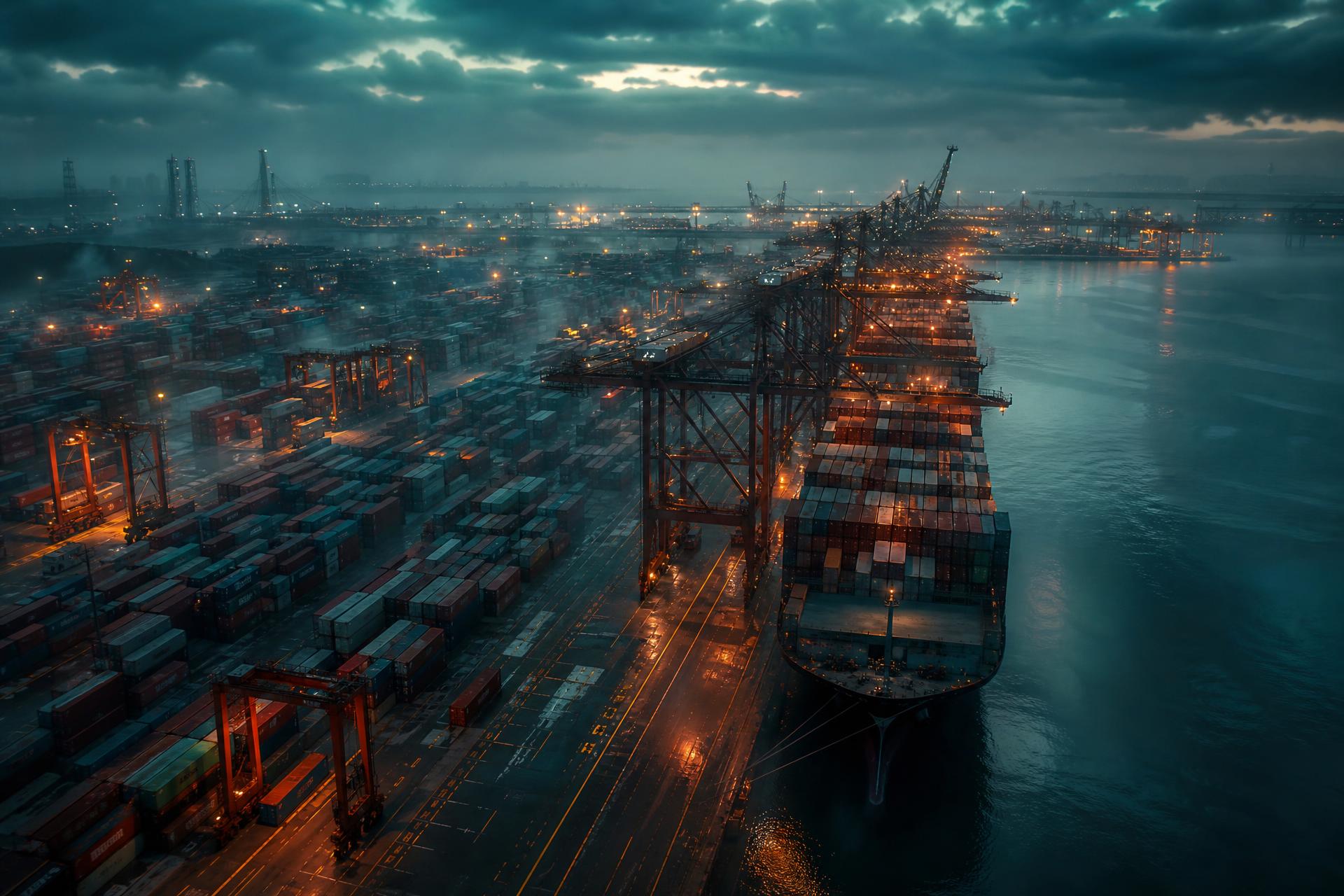
Ocean freight, when volume and cost outweigh speed.
We coordinate FCL, LCL, reefer, and special cargo ocean operations with approved carriers — prioritizing transit predictability, appropriate routing, and rework-free documentation.
What this operation is for.
Move volume with a cost per ton/m³ typically lower than other modes. Ocean freight is the standard mode for regular import and export operations in containers, with planned transit.
Typical scenarios.
High volume or full load
When the shipment fills a container (FCL) or involves recurring volumes.
Consolidated less than container load
Smaller loads (LCL) consolidated with other shippers in a shared container.
Temperature-sensitive cargo
Products requiring reefer containers with continuous thermal control (food, pharma, chemical).
Project cargo
Out-of-gauge machinery, loose cargo in break bulk, or heavy lift.
Modalities available in this layer.
- 01
FCL (Full Container Load)
Container dedicated to the shipper. Best cost/time ratio for volume that fills the container.
- 02
LCL (Less than Container Load)
Cargo consolidated with other shippers. Suitable for smaller volumes; subject to additional consolidation times.
- 03
Reefer
Temperature-controlled container for perishable and pharmaceutical cargo.
- 04
Break bulk / RoRo
Loose cargo in the hold or self-propelled vehicles, for items that do not fit in a container.
- 05
Dangerous Goods (IMO)
Cargo classified according to the IMDG code with specific documentation and handling.
From start to close-out.
- 01Stage
Booking with carrier
Space reservation on board with an approved carrier according to route and deadline.
- 02Stage
Collection and stuffing
Collection at the supplier, unitization in a container, and issuance of shipping documents.
- 03Stage
Shipment and transit
Movement to the port of origin, vessel loading, and transit monitoring.
- 04Stage
Arrival and release
Unloading at the port of destination, movement to bonded warehouse, and presentation for customs clearance.
- 05Stage
Delivery and return
Container pickup, delivery to consignee, and return to carrier within free time.
Usual documents.
- Bill of Lading (BL) — original or telex release
- Invoice and packing list
- VGM (Verified Gross Mass) for FCL containers
- Dangerous goods declaration, when applicable
- Phytosanitary/sanitary certificate as per product
- Marine insurance policy
Who does what.
What technical coordination prevents.
Container roll-over
During demand peaks, containers may be left ashore and rescheduled. Early booking and carrier selection mitigate this.
Demurrage and detention
Costs for delayed container return are charged daily — planning and agile release prevent this.
Damage in transit
Long sea voyages expose cargo to variations. Correct packaging and adequate insurance are mandatory.
Incomplete documentation
Absence or error in BL, certificates, or VGM prevents shipment or customs clearance.
How we operate, transparently.
The physical infrastructure (carriers, integrators, transporters, warehouses, and logistics centers) is operated by approved partners under JD Trade's technical and commercial coordination. We do not operate our own fleet, terminal, or warehouse.
How this operation connects with the rest.
Details that speed up your quote.
Send the data below so we can respond faster. We don't send generic quotes — every plan is tailored to your operation.
- 01Port of origin and port of destination
- 02Type of shipment (FCL/LCL/reefer/special)
- 03NCM or product description
- 04Weight and volume
- 05Proposed INCOTERM
- 06Need for international insurance